Progressive Architecture Concepts: Exploring the Value of Skilled Architecture Services
Revolutionary building designs are instrumental in influencing today's built environments. When focusing on eco-conscious functionality, architects can develop environments that resonate with community needs. The integration of sustainable materials and advanced technologies boosts sustainable outcomes while cultivating collaborative spaces. As design philosophies develop, they accommodate occupant demands and honor community identity. The central challenge endures: to what extent do these aspects merge to reshape our cities and improve quality of life?
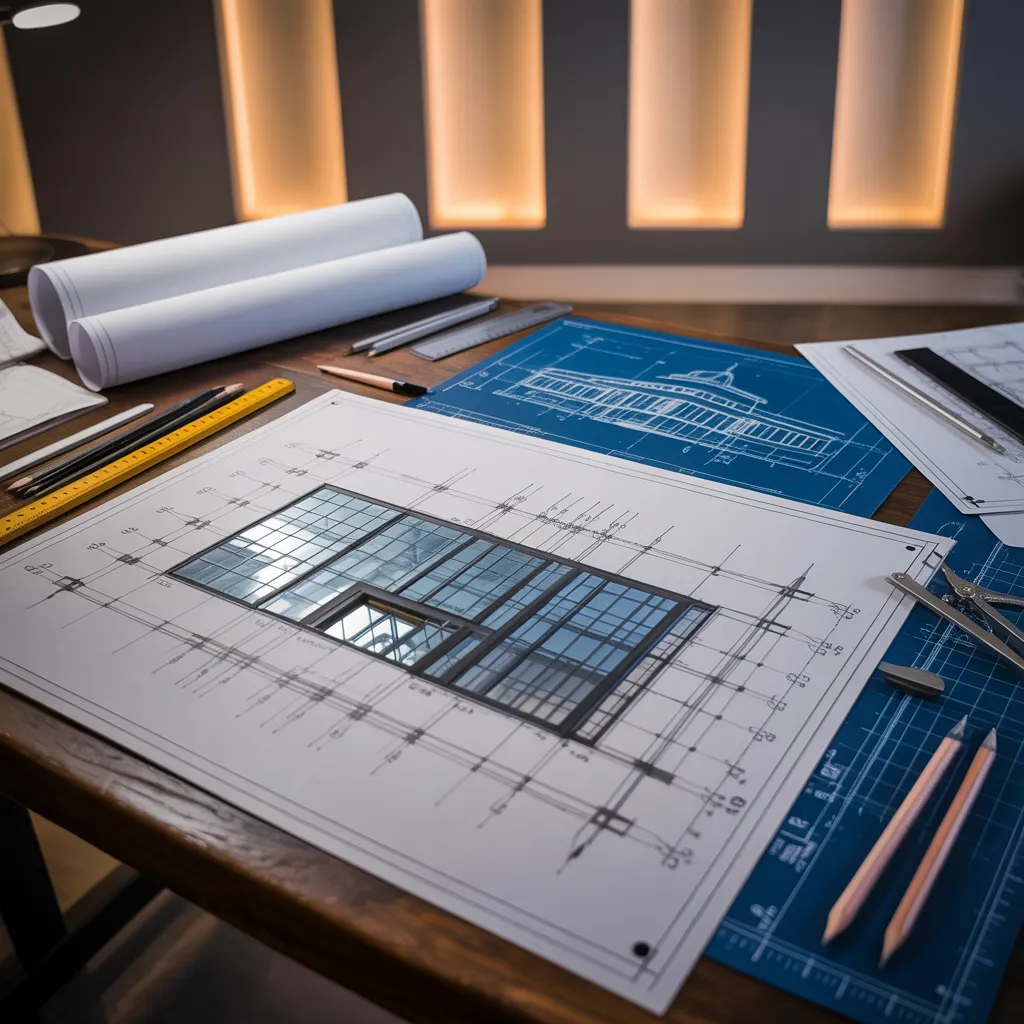
How Architects Contribute to Building Sustainable Spaces
Architects play a pivotal role in the development of eco-friendly environments, significantly influencing the environmental impact of architectural landscapes. Their skills facilitate the inclusion of eco-friendly materials, energy-saving systems, and creative design strategies that decrease the use of resources. By championing eco-conscious design, architects have the capacity to design structures that minimize greenhouse gas output and enhance energy performance.
Partnership with technical experts and environmental consultants is of paramount importance in this endeavor, guaranteeing that designs meet both aesthetic and functional criteria while maintaining eco-friendly standards. In addition, architects thoughtfully evaluate the surrounding ecosystem, promoting biodiversity and incorporating natural elements that cultivate a symbiotic bond between built and natural environments.
Through thoughtful planning, architects also advocate for the use of renewable energy sources, such as wind or solar energy, which additionally advances sustainable objectives. Ultimately, their role extends beyond mere construction; architects transform the trajectory of city environments by nurturing a focus on responsible design and environmental stewardship.
Leading Innovations in Architectural Design That Boost Functionality
A wide range of developments in building design are revolutionizing how contemporary spaces operate. One significant breakthrough is the integration of smart technology, permitting buildings to cater to the demands of their users through automated illumination, climate management, and security solutions. Such advancements boost both energy performance and the overall comfort of users.
Furthermore, modular building methods are becoming increasingly popular, supporting swifter building processes and broader design versatility. These buildings can be conveniently restructured or enlarged, making them suitable for various uses.
Biophilic architecture, which weaves natural elements into architectural design, enhances well-being and productivity, cultivating a bond between inhabitants and the spaces they inhabit.
Moreover, open-concept floor plans are growing in popularity, creating versatile spaces that can accommodate a variety of activities.
Finally, eco-friendly materials are being employed not only for their environmental benefits but also for their attractive appearance and resilience, elevating the general efficiency of modern constructions. Together, these advancements lead to more flexible and effective architectural designs.
How Design Unites Communities
Architecture holds significant importance in nurturing bonds within neighborhoods, establishing spaces that facilitate collaboration and collaboration among residents. Strategically crafted green spaces, plazas, and communal areas function as indispensable gathering spots, encouraging social engagement and a sense of belonging. Design elements such as expansive floor plans and adaptable environments facilitate opportunities for local activities and activities, elevating the general well-being.
Additionally, designs that reflect local culture and traditions establish a unique identity, encouraging residents to feel a deeper bond with their surroundings. By championing accessibility and inclusivity, architects make certain that everyone, regardless of age or ability, can engage in community life.
The inclusion of natural components, such as green spaces and recreational areas, greatly enhances the communal living experience, providing residents with a refuge and a place for shared enjoyment. Ultimately, thoughtful architectural design not only shapes physical spaces but also nurtures the relationships that bind communities together.
Maximizing Energy Efficiency Via Expert Architectural Design
A major transformation in favor of sustainable energy use is transforming the building design landscape, driving the development of groundbreaking solutions that lessen environmental impact. Skilled architectural expertise play an essential role in this transformation by embedding sustainable practices into the design process. These architecture specialists evaluate energy consumption patterns and employ cutting-edge materials, such as high-performance insulation and energy-efficient windows, to lower thermal energy demands.
Additionally, the incorporation of renewable energy sources, like geothermal systems and solar panels, not only decreases reliance on fossil fuels but also lowers running costs for property owners. Intelligent building systems additionally improve energy efficiency, enabling real-time monitoring and adjustments to energy use.
With careful planning and creative design, skilled architects create spaces that not only comply with stringent environmental standards but also encourage lasting sustainability. This emphasis on energy efficiency ultimately supports a healthier planet and more resilient communities, highlighting the essential role of architecture in addressing climate change.
Impressive Urban Landscape Redesigns
One striking instance can be found in the transformation of neglected waterfronts into dynamic recreational areas, featuring cultural installations, walking paths, and green parks. Such transformations serve to enhance the landscape while also boosting surrounding economies by bringing in tourists and business opportunities.
Furthermore, thoughtful urban planning acknowledges the distinctive qualities of a locality, making certain that each redesign embodies its history and culture. This customized strategy nurtures a sense of belonging among community members, motivating guardianship of the area. In the end, effective urban redesigns highlight the ability of architectural innovation to redefine city living and promote long-term urban sustainability.
What Lies Ahead for Innovative Architecture?
How might forward-thinking architecture evolve to meet and respond to the shifting needs of modern society? With urban landscapes becoming ever more intricate, architects face the critical task of tackling key challenges including sustainability, affordability, and social equity. Emerging technologies, including artificial intelligence and advanced materials, offer new avenues for design, enabling more efficient construction processes and enhanced energy performance.
Furthermore, architects are progressively collaborating with a wide range of stakeholders, from local residents to sustainability professionals, confirming that blueprints represent the priorities and requirements of the people they serve. This engagement-driven process builds resilience, empowering constructions to withstand fluctuating ecological circumstances and public expectations.
In addition, the inclusion of principles of biophilic design enhances human well-being, linking residents to the natural world. As the architectural landscape evolves, the commitment to creative solutions will continue to be essential, motivating the discipline to create spaces that are functional while also being transformative for coming generations.
Answers to Your Most Common Questions
How Do Architects Partner With Engineers on Projects?
Engineers and architects work together by merging creative designs with technical demands, ensuring structural integrity and functionality. Scheduled meetings promote effective dialogue, allowing both disciplines to address challenges and enhance project outcomes through shared expertise and innovative solutions.
What Are the Costs Associated With Hiring an Architect?
The costs associated with hiring an architect typically include design fees, project management expenses, and potential additional charges for site visits or consultations. These expenses can differ significantly according to the scope of the project and geographical location.
How Long Does the Architectural Design Process Typically Take?
The process of architectural design typically takes multiple months, subject to the complexity of the project and client needs. Factors such as permitting, project revisions, and contractor management may also affect the overall timeline, commonly adding considerable time to the process.
Do Architects Provide Help With Zoning and Permit Applications?
Indeed, architects offer support for zoning and permit applications. Their professional skills help address complicated regulatory requirements and establishes adherence to local building codes, expediting the approval valuable guide process and boosting the prospects of gaining the essential approvals for building projects.
What Qualities Should I Look for When Hiring an Architect?
When selecting an architect, you should consider qualifications such as relevant experience, proper licensing, educational background, excellent interpersonal and communication skills, and a portfolio demonstrating creativity and problem-solving ability. Relevant specializations should also be considered according to the requirements of your project.